

Treatment of gum disease
Loosening teeth: understanding and treating periodontal disease (gingivitis, periodontitis), without surgery or, if necessary, with targeted surgery.
Non-surgical treatment
Periodontal diseases are chronic inflammatory diseases of infectious origin, causing a loss of the tooth's supporting tissues, up to and including loss of the tooth itself.
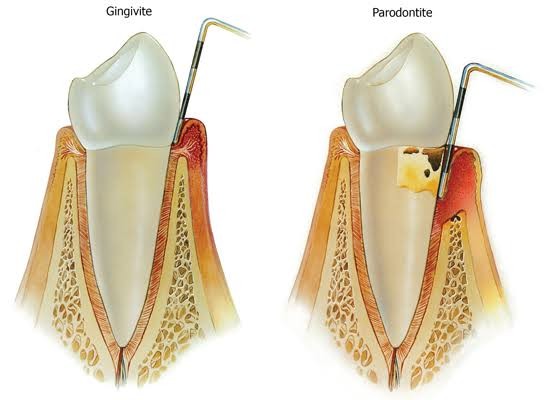
It is the presence of stagnant bacteria around the teeth that, over time, causes gum inflammation which eventually creates a wound that becomes infected deeper down. Plaques of tartar then form along the tooth roots, beneath the gum, keeping the wound open for years.
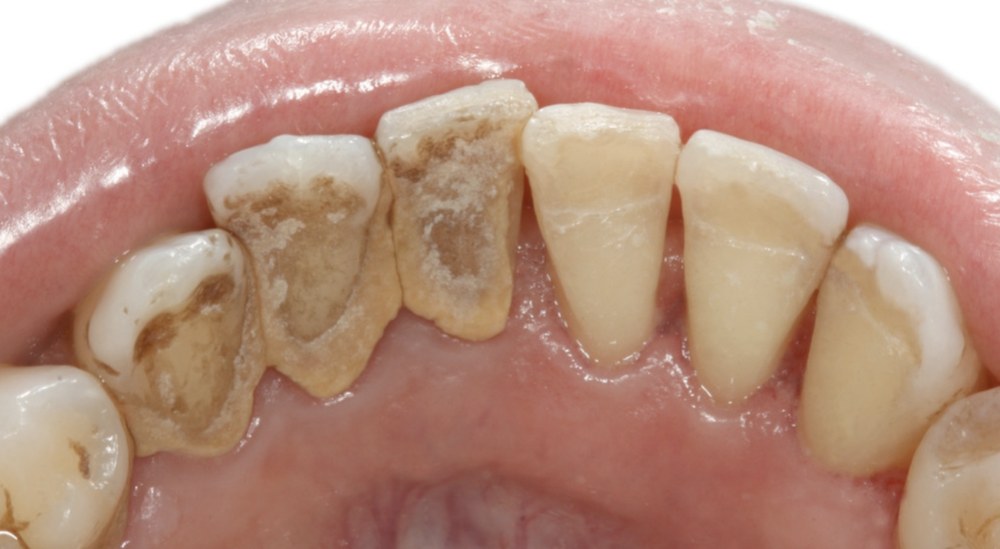
Very few symptoms are noticed: they may include bleeding gums when brushing, the appearance of gaps between teeth, or teeth that shift or become loose — all without any pain. These diseases are often linked to systemic conditions such as diabetes, high blood pressure, cardiovascular disease, or chronic inflammatory diseases (rheumatoid arthritis, ankylosing spondylitis, inflammatory bowel disease).
The goal of treatment is to control the presence of bacteria around the teeth on a daily basis through calibrated, effective mechanical brushing, then to disinfect the infected roots.
Conventionally, this disinfection is carried out through "root planing", using sharp manual curettes, under anaesthesia, with the aim of mechanically removing tartar beneath the gum and the infected surface of the tooth. This procedure, which is relatively traumatic for the gums, often causes uncomfortable tooth sensitivity and worsens gum recession.
Today, advances in periodontal disease treatment allow for atraumatic disinfection using ultrasonic instrumentation and air polishing, without even needing anaesthesia. These techniques drastically reduce pain and discomfort both during and after treatment.
However, when the damage is too extensive, the tooth cannot be saved: extraction must be considered to preserve the bone volume and adjacent teeth.
Surgical treatment
Some deep lesions caused by periodontal disease do not resolve on their own: the wounds remain open, the gum stays inflamed, and the disease progresses, loosening the tooth.
Treating these lesions may require additional surgery. Regenerative periodontal microsurgery techniques aim to repair the damaged tissue in order to allow the wound around the teeth to close, in a very targeted way.
This microsurgery requires specialised instruments and high-magnification optical aids.
A question about this treatment?
Book an appointment, and we will answer all your questions during the consultation.